Mobirise

Hope in Every Cell: The Future of Autism Spectrum Disorder Treatment with Bone Marrow Therapy

Recent research suggests that the regenerative properties of bone marrow cells may hold potential for modulating immune responses, and promoting neural repair, all of which are relevant to the complex pathophysiology of ASD. 
while still in the early stages of investigation, preliminary studies have shown encouraging results, with some individuals experiencing improvements in communication, social interaction, and behavioral symptoms following bone marrow therapy. As researchers continue to explore this innovative approach, there is growing optimism that bone marrow therapy could offer new hope for individuals and families affected by autism.


Mobirise

Beyond Insulin: Exploring the Potential of Bone Marrow Therapy for Diabetes Management

While conventional treatments focus on insulin regulation and blood sugar control, emerging studies suggest that bone marrow cells may offer additional benefits in addressing the underlying mechanisms of diabetes. These cells possess regenerative properties that could aid in restoring pancreatic function, improving insulin sensitivity, and reducing inflammation associated with diabetes complications. Although still in its early stages, research into bone marrow therapy for diabetes is gaining momentum, offering hope for more effective and holistic approaches to diabetes management in the future.

Mobirise

Beyond Paralysis: The Potential of Bone Marrow Therapy in Spinal Cord Injury Recovery

Research into bone marrow therapy for spinal cord injuries (SCI) offers hope for patients with this devastating condition. Studies have shown that bone marrow contains stem cells capable of promoting tissue repair and regeneration, making it a promising candidate for SCI treatment. These stem cells have the potential to differentiate into various cell types, including neurons and glial cells, which are essential for repairing damaged spinal cord tissue. Additionally, bone marrow cells secrete growth factors and cytokines that create a favorable environment for neural regeneration. 

Mobirise

Breaking Boundaries: Exploring Bone Marrow Therapy for Multiple Sclerosis

bone marrow therapy for multiple sclerosis (MS) represents a promising frontier in the quest to halt disease progression and promote neurodegeneration. Studies have shown that bone marrow-derived stem cells possess immunomodulatory and neuroprotective properties that could potentially mitigate the autoimmune attack on the central nervous system in MS.
These stem cells also have the ability to differentiate into various cell types, including oligodendrocytes, which are responsible for myelin repair. Additionally, bone marrow cells secrete factors that create a conducive environment for neural regeneration.

Mobirise

Cellular Therapy for Autoimmune disease: Investigating the Role of Bone Marrow Therapy

Bone marrow contains a variety of immune cells and stem cells that play key roles in regulating immune responses and promoting tissue repair.
Studies have shown that bone marrow-derived stem cells possess immunomodulatory properties, which could help modulate the abnormal immune responses seen in autoimmune diseases.
Additionally, bone marrow cells secrete factors that create a favorable environment for tissue regeneration, offering potential benefits for repairing damage caused by autoimmune attacks. 

Mobirise

From Marrow to Muscle: Investigating Bone Marrow Therapy for Cardiac diseases:

Studies have shown that bone marrow contains various types of stem cells with the potential to regenerate damaged heart tissue and promote cardiac repair. These stem cells can differentiate into cardiomyocytes, endothelial cells, and smooth muscle cells, contributing to the regeneration of blood vessels and cardiac muscle. Additionally, bone marrow-derived cells secrete growth factors and cytokines that stimulate angiogenesis, improve blood flow, and reduce inflammation in the heart. Research into bone marrow therapy for cardiovascular diseases, such as heart failure and ischemic heart disease, offers hope for novel treatments that address the underlying mechanisms of these conditions and improve heart function. 

Mobirise

Cellular Solutions for Parkinson's

Bone marrow cell therapy represents a promising avenue for the treatment of Parkinson's disease, a progressive neurological disorder characterized by the loss of dopamine-producing neurons in the brain. Studies have demonstrated that bone marrow-derived stem cells can enhance dopamine production, modulate inflammatory responses, and promote neuroprotection in animal models of Parkinson's disease.

Mobirise

Bone Marrow Cell Therapy for Alzheimer's Disease

Alzheimer's disease, a progressive neurodegenerative disorder, is characterized by the accumulation of amyloid plaques and neurofibrillary tangles in the brain, leading to cognitive decline, memory loss, and functional impairment. While current treatments aim to alleviate symptoms, there is an urgent need for disease-modifying therapies that target the underlying pathology of Alzheimer's. Bone marrow cell therapy offers a promising approach by leveraging the regenerative potential of stem cells to promote neuronal repair, reduce inflammation, and enhance cognitive function.  studies have demonstrated that this therapy can improve synaptic connectivity, increase neurotrophic support, and enhance neurogenesis of Alzheimer's disease.

infertility

Autologous Stem Cells as a Promising Solution for Infertility

Infertility affects millions of individuals worldwide, posing significant challenges to reproductive health and family planning. Autologous stem cell therapy offers a novel approach to address infertility by harnessing the regenerative potential of a patient's own stem cells to enhance reproductive function. While the field of stem cell-based fertility treatments is still in its infancy, early studies and case reports have shown promising results, with some patients achieving successful pregnancies following treatment.

stroke

The Role of Bone Marrow Therapy in Stroke Rehabilitation

Stroke, a leading cause of disability and death worldwide, results from the interruption of blood flow to the brain, leading to neurological damage and functional impairment. Traditional treatment options often focus on managing symptoms and preventing further complications, but bone marrow therapy offers a promising alternative approach. By harnessing the regenerative potential of bone marrow-derived stem cells, this innovative therapy aims to promote tissue repair, neuroprotection, and functional recovery in stroke patients. Through case studies, and research updates, providing valuable insights into the science behind bone marrow therapy for stroke, its potential benefits, and its role in shaping the future of stroke treatment.

joint inflammation

Bone Marrow Cell Therapy for Arthritis: A Promising Approach to Joint Inflammation

exploring the potential of stem cell therapy for arthritis, a condition characterized by joint inflammation and pain. Arthritis affects millions of people worldwide, impacting mobility, quality of life, and overall well-being. Traditional treatments often focus on managing symptoms and slowing disease progression, but stem cell therapy offers a promising alternative. By harnessing the regenerative properties of stem cells, this innovative therapy aims to repair damaged joint tissues, reduce inflammation, and improve overall joint function.

ataxia

Ataxia and Bone Marrow Therapy: Pioneering Hope in Neurological Treatment

Ataxia, a neurological condition characterized by loss of coordination and balance, poses significant challenges to those affected, impacting daily life and mobility. Traditional treatments often aim to manage symptoms, but emerging therapies offer new hope for improved outcomes. Bone marrow therapy, leveraging the regenerative potential of stem cells, holds promise in addressing the underlying neurological damage in ataxia.

Mobirise

The Role of Bone Marrow Therapy in Blood Disease Management

Blood diseases encompass a wide range of conditions which can significantly impact patients' health and quality of life. By harnessing the regenerative power of stem cells found in bone marrow, this innovative therapy aims to restore healthy blood cell production, improve immune function, and ultimately provide relief for patients suffering from blood disorders. 

muscle atrophy

Exploring the Potential of Bone Marrow Therapy in Treating Muscle Atrophy

Muscle atrophy, characterized by the loss of muscle mass and strength, can result from various factors such as aging, injury, or neurological conditions. Traditional treatments often focus on physical therapy and exercise, but emerging therapies offer new avenues for intervention. Bone marrow therapy, utilizing the regenerative properties of stem cells found in bone marrow, holds promise in addressing the underlying mechanisms of muscle atrophy and promoting tissue repair and regeneration.

skin diseases

Exploring the Potential of Bone Marrow Therapy in Treating Skin Diseases

Skin diseases encompass a wide range of conditions, including psoriasis, eczema, and chronic wounds, among others, which can significantly impact patients' quality of life and overall well-being. Traditional treatments often focus on symptom management and may have limited efficacy in addressing the underlying causes of these conditions. However, emerging therapies such as bone marrow therapy offer a promising alternative approach. By harnessing the regenerative properties of stem cells found in bone marrow, this innovative therapy aims to promote tissue repair, reduce inflammation, and improve overall skin health. 

cosmetics

Exploring the Intersection of Bone Marrow Therapy and Cosmetics

While traditionally used in medical applications, bone marrow therapy is now being investigated for its potential benefits in cosmetic treatments. The regenerative properties of stem cells found in bone marrow offer promise in promoting skin rejuvenation, reducing the appearance of fine lines and wrinkles, and improving overall skin health.

fibrosis

Exploring Bone Marrow Therapy for Pulmonary Fibrosis

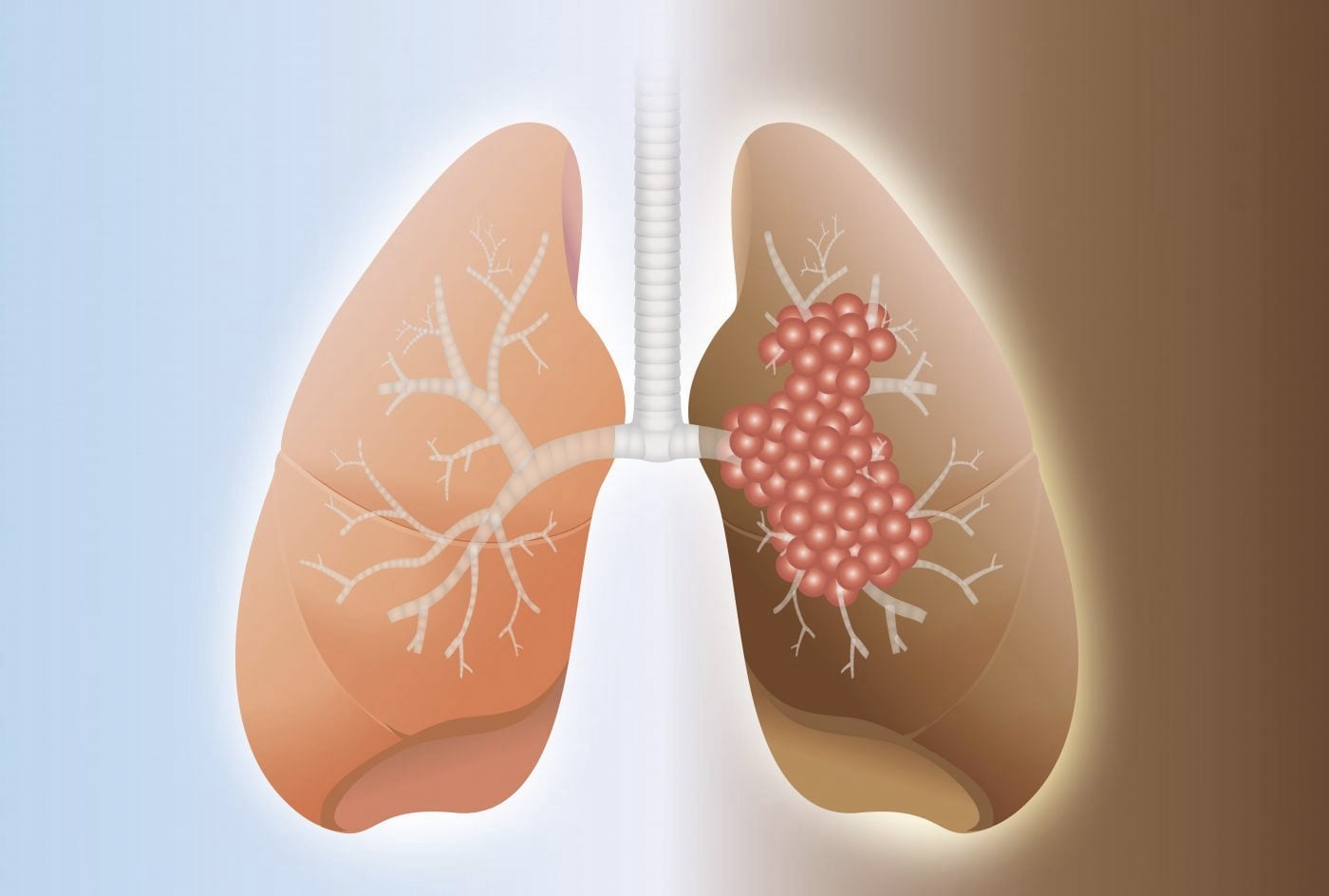
Pulmonary fibrosis is a progressive lung disease characterized by scarring of the lung tissue, which can lead to difficulty breathing and reduced lung function. Traditional treatments often focus on managing symptoms and slowing disease progression, but emerging therapies such as bone marrow therapy offer new hope for patients. By harnessing the regenerative properties of stem cells found in bone marrow, this innovative approach aims to promote tissue repair, reduce inflammation, and improve overall lung function.

crohn's

The Potential of Bone Marrow Therapy in Crohn's Treatment

Crohn's disease is a chronic inflammatory condition that affects the gastrointestinal tract, causing symptoms such as abdominal pain, diarrhea, and fatigue. While traditional treatments aim to control inflammation and alleviate symptoms, emerging therapies like bone marrow therapy offer new avenues for treatment. By harnessing the regenerative properties of stem cells found in bone marrow, this innovative approach aims to modulate the immune response, promote tissue repair, and improve overall gut health.

eyeatrophy

Vision Revival: Exploring Bone Marrow Therapy for Eye Atrophy

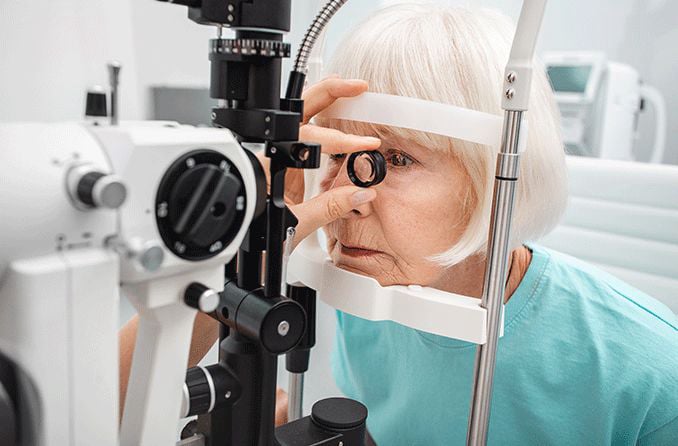
Eye atrophy, a condition characterized by the loss of tissue and function in the eye, can lead to vision impairment and blindness. Traditional treatments often focus on managing symptoms and slowing disease progression, but emerging therapies such as bone marrow therapy offer new hope for patients. By harnessing the regenerative properties of stem cells found in bone marrow, this innovative approach aims to promote tissue repair, reduce inflammation, and improve overall eye health.

auditory atrophy

Exploring Bone Marrow Therapy for Auditory Atrophy

Auditory atrophy, characterized by the degeneration of auditory structures and loss of hearing function, can significantly impact an individual's quality of life. Traditional treatments often focus on managing symptoms and may have limited effectiveness in halting disease progression. However, emerging therapies such as bone marrow therapy offer promising avenues for intervention. By harnessing the regenerative properties of stem cells found in bone marrow, this innovative approach aims to promote tissue repair, reduce inflammation, and improve overall auditory function.

Kidney Failure

Bone Marrow Therapy in Kidney Failure Treatment

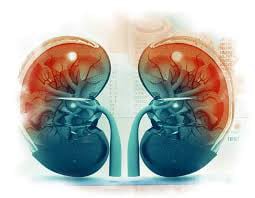
Kidney failure, a condition characterized by the loss of kidney function, poses significant challenges to individuals' health and well-being. Traditional treatments such as dialysis and kidney transplantation aim to manage symptoms and replace lost kidney function, but they may have limitations and risks. However, emerging therapies like bone marrow therapy offer new hope for patients with kidney failure. By harnessing the regenerative properties of stem cells found in bone marrow, this innovative approach aims to promote tissue repair, reduce inflammation, and improve overall kidney function.